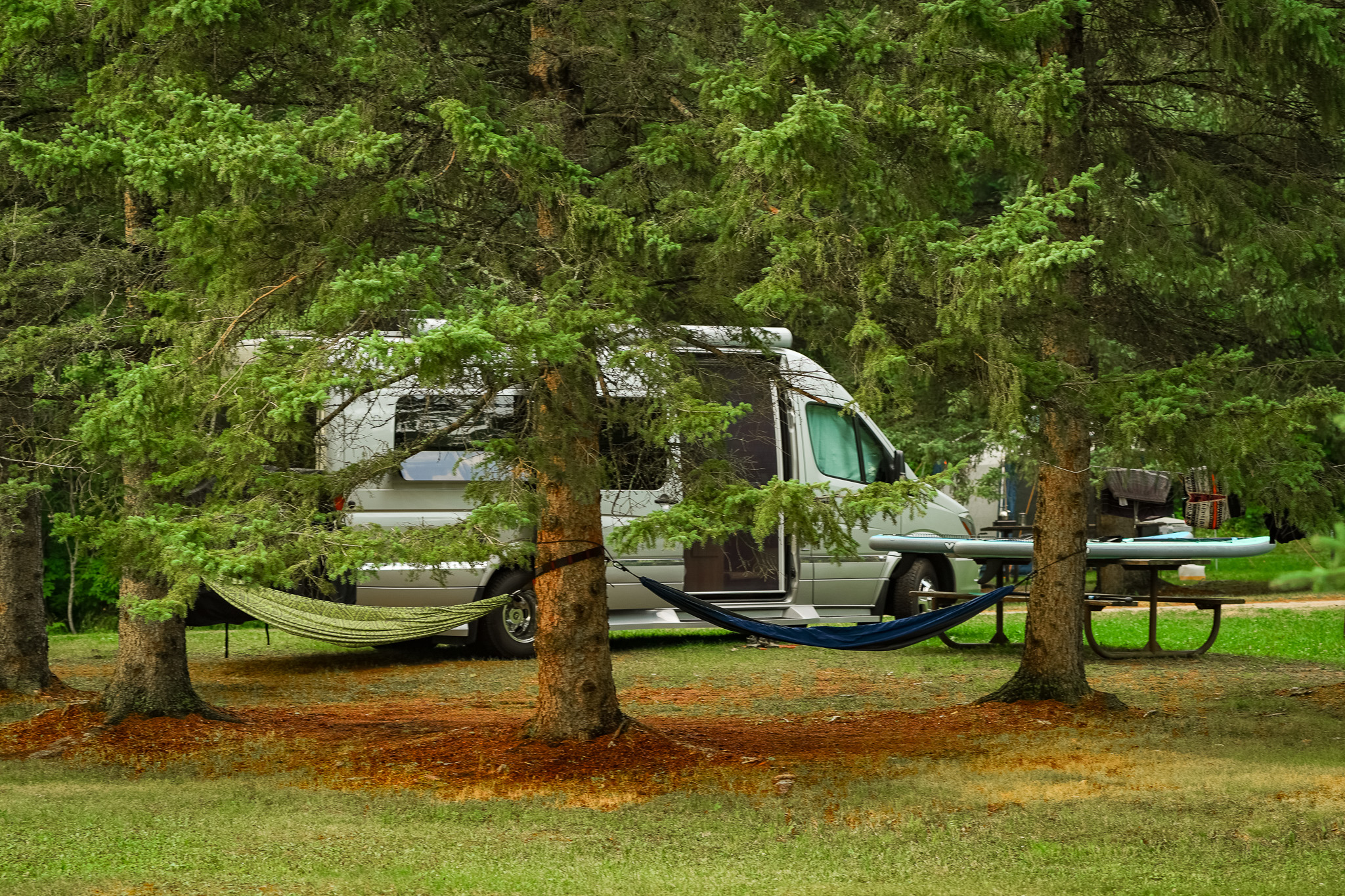
Essential Tips for the Perfect Van Life Road Trip
Are you planning a long road trip to your favorite destination? We have a few tips we have learned on how to make the most on your next van life road trip. From packing essential supplies to planning your route to include scenic stops, these insights will help enhance your journey.
Consider keeping a flexible itinerary that allows you to explore unexpected attractions along the way, and don’t forget to stay connected with fellow travelers for advice and recommendations. Whether it’s the joy of cooking meals in your van or the thrill of camping under the stars, embracing the van life experience can make your trip truly unforgettable.
Planning the Road Trip (or not)
If you have read other posts on this blog, you know that we advocate for traveling slow through the countryside.
Traveling like this is both a challenge and a hoot since we never really know where we’ll crash for the night. Honestly, it’s one of the best ways to explore the country. But there are some drawbacks, especially when it comes to finding a place to sleep. The worst part? Hunting for a spot once it gets dark (we’ve done that more than a few times). When it happens, we just have to scope out the area and cross our fingers that we find a good place to sleep.
During the busy season, getting a campground on the fly can be tough, and they can really break the bank if we do. Sometimes, that means we might just boondock and stay at a rest stop or truck stop. Then, there are the times when we get really lucky and spend the night in some incredible spot in nature.
Honestly, Gail and I are comfortable with rolling the dice like this; some folks might want to have a plan, though. Planning out each night or sticking to a daily schedule isn’t bad; it’s just not our style generally.

Consider Boondocking
Over time, we have gotten pretty good at finding places to boondock and it’s generally our preferred method to overnight. The reason it works for us is we rarely sleep in the same place every night as we like to only travel 30-50 miles a day when we are in an area we like.
We find many of the places we stay at on a phone app called iOverlander. Try it out!
The only time we really plan ahead is when we want to camp in a National Park. Campsites in these parks fill up super quick, so it’s smart to book them ahead of time. Most of the campsites in or around these popular places need to be reserved 6-12 months in advance, so don’t wait until the last minute.
Staying in a National Park means you should book a campground early!

We’ve had pretty awesome luck snagging campsites on the fly in State Parks, especially during the off season. Sometimes you can find spots for under $10 a night, and they usually have water. Higher priced state park campgrounds will include showers and electricity.
A couple state parks we have really enjoyed is Palo Duro Canyon State Park in Texas and Custer State Park in South Dakota.
Our best advice is to do what feels safe and comfortable to you. Everyone is not going to have the same travel style. Find the style that works for you.
Research Park Conditions Before You Leave
It is important to gather as much current information on a National or State Park as possible before leaving home.
This is particularly important in the spring or late fall seasons. Because these parks are in remote and sometimes harsh areas, it is helpful to know if your campground is open, if the roads into and around the parks are open, or if the hiking trail you want to explore is open.
Knowing this information before leaving home reduces the number of surprises you will encounter and also allows you to change plans if needed.


Using Resources to Plan
We recommend that you go to the National Park Service website to source this information. With their web page you can look up your park by State and location to read about alerts, weather conditions or area news. Many state parks will have similar information on their sites. However, accessing the information will vary from state-to-state.
Starting about a week from your start date, it’s a good idea to monitor the weather in the area you are traveling to. Monitoring the temperature ranges you will encounter on the trip and various weather predictions in the areas you are traveling to will help you pack more effectively. We have been known to totally reroute a planned trip and go a different direction if the weather conditions are not ideal for travel or our desired activities.
Don’t be afraid to change your route and your plan when you get new information. Traveling to a place that has a 5-day rain forecast is probably not the adventure you have in mind for your road trip.
Planning Your Activities
For us, planning the activities we want to do is much like making reservations at a campsite. For example, if we want to go white-water rafting or kayaking on a trip, we will research outfitters and secure a tour or adventure before we leave home.
We do not book these types of activities often, but when we do, we will typically sign up and pay for them as early as possible. We want to know we have a reservation of the activity before we get there. Some of these types of activities are very popular to do fill up quickly.

Hike, Bike and Paddle
Since we are hiking enthusiasts, we will do some early research on hiking trails in state like Colorado or national parks in Utah. However, we don’t totally decide on a specific trail until we arrive at the area. Once there, we will gather up the local (usually free) maps and talk to the park rangers or other hikers before deciding on which trails we will actually take.
Sedona, Arizona is a good example of this strategy. When we first arrived in town, we had no idea what the town and area had to offer. Once there, we acquired a map at the visitor’s center and learned how many things there were to do. We enjoyed it so much we stayed 5 days! It is still one of the best places to hike in the country in our opinion.
We generally decide on a trail based on the difficulty of the hike, the length of the trail, and the natural features that are highlighted along the way. Most of the time, we want to hike in less populated areas because we prefer to hike alone when possible. However, if we do decide on a busier trail, we like to start early in the morning and get going before the crowd of people arrives at the trailhead.
In addition to hiking, we take bikes and blow-up paddle boats so we can have a variety of activities on our van life road trip. We also take our pickleball rackets because it’s super fun to play ball in towns all across America.
Bottom Line: Pre-book the activities you know you want to do and decide on the rest later is the rule we live by.

Vehicle and Coach Preparation
The easy answer to ensuring a safe and fun road trip is to keep your vehicle well maintained year-round. If you are traveling in an outfitted van or recreational vehicle (RV), maintaining the coach areas of the vehicle is equally important. In other words, we’d rather spend money a few times per year on preventive maintenance than shell out a large sum of money on a major repair on the road.
Although nothing is guaranteed, the last thing we want to do is lose a day or two at a service provider while on the trip.
All that said, the more detailed answer to vehicle and coach preparation is to test and check everything before leaving town on a trip.
Prior to Your Trip
Generally, your mission is to test everything you can think of and to look for problems before you leave town. If done properly and early in the process, you can get an issue fixed and have confidence that the road trip will likely be free of mechanical issues while traveling.

- Check your maintenance records on the vehicle. Do you need an oil change? Check your tires and make sure your tire wear is safe and that air pressure is ideal. Fix any other issues, including brakes, AC or heater, transmission, and air filter.
- If you are traveling in a van or RV test the essential resources in the coach.
- Are your batteries changed and in good shape?
- Fill Propane tank and test the generator, refrigerator, and heaters.
- Fill the water chamber and make sure the water pump and faucets are working properly. Test the toilet if you have one.
- Make sure the air conditioner is working properly is you have one.

Packing Your Gear
In the sprinter van we travel in all storage areas are a premium. There are three tiers of items we take.
Tier 1 – Items we use daily or often. These items are the most important to us and take up the bulk of our storage areas in the van. They include cookware, clothes and bedding, maps, backpacks, flashlights and lamps, personal hygiene items, water hoses, battery chargers for our devices.
Tier 2 – Items we will use once or twice on a trip. These are items we want to have with us and are considered a necessity because we know we need them but are only used when required. These items could include tools for minor repairs and fire starters.
Tier 3 – Items that are not required for safety or survival but enhance the traveling experience. These items could include a computer and camera, binoculars, outdoor cook stove, folding chairs, a coffee pot, hair dryer, and mood-setting items like tiki torches and string lights.


When packing, think about the tier 1 items you must have and pack them first. Pack the tier 2 items next which will fill up most of your premium storage areas, then pack tier 3 items and shovel them into whatever spaces you have left! The worst case is you might need to leave some items at home if there is no place to store them.
Meal Planning & Food Preparation
With the excitement of preparing for a road trip the question always includes, “What in the world are we going to eat?” This is really not always an easy question to answer.
We do however plan differently for meals at home than when we are on the road.
When thinking about a road trip, Gail starts with what protein or meat we will eat for dinner and what is easy to prepare on Alice. Once she makes those decisions, she will plan the supplementary food accordingly.

The goal for the food we eat on a road trip is to eat healthy and have meals that are easy to prepare. Doing most of the prep work before leaving home is a great way to make meals quickly and delicious while on the road.
Our lunches usually consist of sandwiches, fruit, and vegetables. We are always on the go during the middle of the day, so it is food that is easy to pack and carry with us.

Navigating When Traveling
Most of us have become reliant on gadgets to get from point to point. GPS technology has spoiled us by making our driving routes easy to follow, as long as we have cellular service.
We highly recommend taking tradition paper maps on your trips too.
Many of the areas we visit have spotty service or no service at all. Keep a map of the area you are visiting handy. We will sometimes acquire a area map prior to leaving town, but we will always get a local map once we arrive at our destination.
Honestly, we use the paper maps much more than we use our phone’s GPS because maps are often easier and quicker.
Have an Atlas map in your vehicle too. GPS generally works well when you are on a major highway but if you want to travel 2-lane highways like we do, the Atlas is a much easier way to find an alternate route.
A traditional paper Atlas shows an area’s points of interest too. When we study a map for alternate routes we will often plot out routes based on sometimes uncommon and interesting places to visit. Your phone will not identify points of interest as well as a traditional paper map.
Meet and Talk to the Locals
One of the best ways to find great places to visit is to talk to the locals.
If you are at the gas station or grocery store, talk to the people who live there. Where do they like to go? Where do they eat?
Some of our best leads have come from being friendly and interested. Rarely do people who live in an area we visit disappoint us. They are proud of their town, county, or state and are usually more than happy to give us a recommendation.

Journal Your Road Trip
Gail has maintained a journal for years and it has become a blessing to us in many ways.
If you’re a blogger (or not), the journal is critical. Her notes help to remind us of the names of places, people, and what we did on our visit. If you’re on a road trip for several days or weeks, places and events can start to blur together. By taking notes along the way, our posts are more accurate and detailed than they may have been if we only relied on our memories.

The more important aspect of writing a travel journal is the pleasure of reading it months or years later. No matter how good you think your memory is, reading older journal entries will always remind you of something and most often bring a smile to your face.
If you get in the habit of documenting your journey as you go, it will become a source of fun for you later. Guaranteed.
Evaluate Your Road Trip
During your final leg of driving, when all you want to do is get home, talk about what you liked and what you want to do differently on your next road trip.
This is a great way to reflect on your past trip and a method to perfect the next excursion you take.
No matter how well you plan, you may have a regret or two about the road trip you just completed. Most of our regrets come from places we wanted to visit but could not fit into our timetable, or we just wanted more time to completely soak everything in.
No matter what, we know as a couple that the time together strengthens our marriage and our friendship. Making memories together and building an everlasting bond is important to us, and a van life road trip is a great way to do it.